Choosing a China-based Gym Water Bottle supplier requires more than comparing prices and product photos. Global buyers need dependable materials, consistent production, and clear communication. A bottle may look excellent online, yet fail during a real workout if the cap leaks or the grip feels uncomfortable.
Experienced suppliers study daily use. They assess bottle shape, mouth opening, carry loops, and cleaning access. Common options include BPA-free Tritan, food-grade polypropylene, and stainless steel. Each material offers different strengths. Tritan feels light and clear. Steel provides stronger temperature retention. Polypropylene often supports cost-efficient mass production.
Practical testing matters. Reliable factories check leakage after repeated cap opening cycles. They also inspect odor, color consistency, printing quality, and impact resistance. A sample should survive a crowded gym bag, not only a studio photograph. Buyers should request test records, material declarations, factory information, and production samples before confirming large orders. Small details often reveal larger risks.
Customization can include logos, volume markings, packaging, and lid designs. However, more features may increase assembly time and failure points. That deserves honest review. No supplier gets every detail right on the first attempt. The strongest partnerships allow questions, corrections, and documented approvals.
For international distribution, export experience is equally important. Accurate cartons, stable lead times, and responsive after-sales support protect a buyer’s reputation. A trusted China Gym Water Bottle supplier should explain its process clearly and avoid unrealistic promises. Quality is not created by a catalog. It is built through tested materials, careful workmanship, and accountable communication.
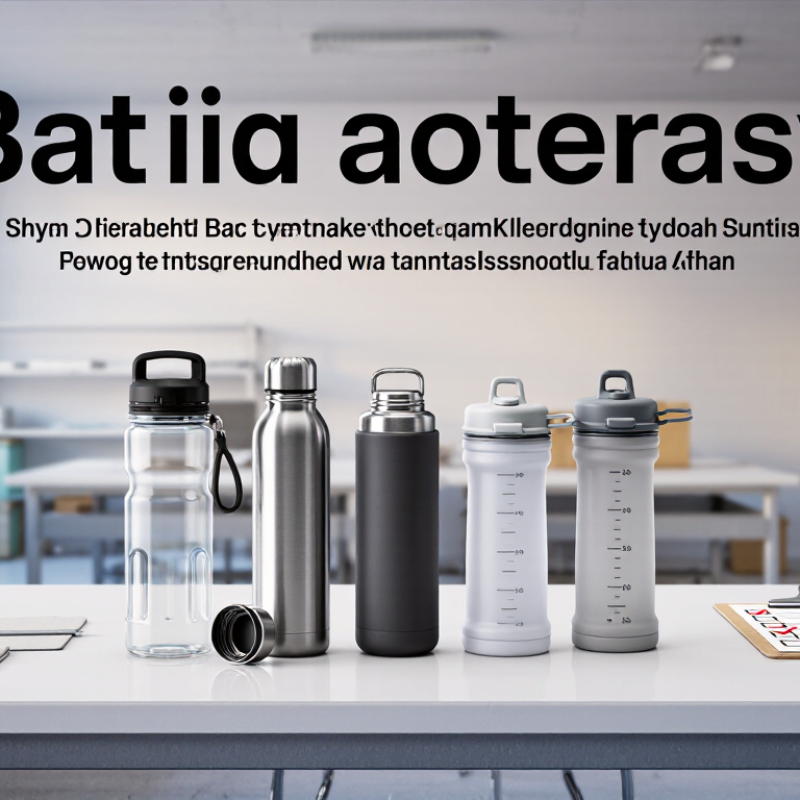
China’s Role in the Global Gym Water Bottle Supply Chain
China’s Role in the Global Gym Water Bottle Supply Chain
China remains a major production base for gym water bottles sold worldwide. Its supply chain connects material suppliers, molding factories, printing workshops, and export warehouses. Buyers can source stainless steel, food-grade plastic, silicone, and recycled-content options from one market. This concentration often reduces lead times and simplifies communication. Yet, lower factory pricing does not always mean lower total cost.
Experienced buyers usually inspect more than a product sample. They review material documents, leak-test records, production capacity, and packaging details. A reliable supplier should explain its quality controls clearly. It should also confirm bottle dimensions, lid performance, color consistency, and carton strength. Small errors can become expensive when thousands of bottles reach a fitness distributor. No supplier is perfect. The better question is how quickly it identifies and corrects problems.
Tips: Request a pre-production sample before approving bulk manufacturing. Compare the sample with the final inspection report. Ask how rejected bottles are separated and recorded. Check whether the factory can maintain the same finish after repeated washing tests. Clear specifications help, but they cannot replace regular communication. One detail is often overlooked: shipping cartons may fail in humid conditions. A stronger carton and inner protection can prevent cracked lids, scratched surfaces, and avoidable returns.
Key Features of a Reliable Chinese Gym Bottle Supplier
A reliable Chinese gym bottle supplier should make quality visible, not merely promise it. In practical sourcing work, buyers should review factory records, production equipment, and quality procedures before placing a large order. A capable supplier can explain material choices, such as food-grade stainless steel, Tritan, or BPA-free plastic. Clear answers matter.
Small details reveal professionalism. Ask for sample bottles before approving mass production. Check the lid thread, silicone seal, grip texture, and drinking flow. The bottle should survive repeated opening, washing, and transport without leaking.
A dependable supplier normally performs leak tests, drop tests, capacity checks, and visual inspections. Written inspection standards are better than verbal assurances.
Communication is another key feature. Good suppliers confirm drawings, colors, logos, packaging, and shipping terms in writing. They should provide realistic production schedules and update buyers when problems appear. No supplier is perfect. I have seen attractive samples hide weak seals or uneven printing. That is why independent testing and pre-shipment inspection remain useful. A reliable partner accepts reasonable corrections, keeps batch records, and improves the next production run. Responsiveness often matters as much as price.
Materials, Designs, and Customization Options for Buyers
Global buyers increasingly expect gym bottles to balance safety, durability, and visual appeal. Grand View Research estimates that the global sports bottle market reached about USD 5.9 billion in 2023. Its report also projects continued growth through 2030. This supports demand for practical, well-designed hydration products.
Material selection should match the user and market. Food-contact stainless steel offers strength and temperature retention. Tritan-style copolyester provides clarity, lighter weight, and a glass-like appearance. PP is economical for large-volume orders, while silicone suits flexible sleeves and seals. Buyers should request migration testing, odor checks, and repeated leak tests. An accredited laboratory report is more useful than a supplier promise.
Design details often decide repeat orders. A wide mouth simplifies cleaning and adding ice. A textured grip helps during fast workouts. Carry loops, measurement marks, and replaceable seals add everyday value. Custom options may include matte colors, gradient finishes, printed graphics, molded logos, packaging, and several lid types. Confirm color samples before mass production. Digital previews can mislead. Mold costs and minimum order quantities should be written clearly in the quotation.
No bottle is perfect. Stainless steel can feel heavy, and clear plastic may show scratches. A careful Chinese supplier should explain these trade-offs, not hide them. Buyers should also review factory quality records, batch inspection procedures, and applicable food-contact requirements before ordering.
China Best Gym Water Bottle Supplier for Global Buyers
Materials, designs, and customization options for international purchasing teams.
How material density affects bottle selection
Material density is a standard engineering property measured in grams per cubic centimetre. Lower-density materials can help reduce material weight, while stainless steel offers high durability and a premium feel. Finished bottle weight also depends on wall thickness, capacity, lid design, insulation, and accessories.
Popular Designs
Wide-mouth bottles, shaker bottles, flip-top bottles, straw lids, insulated bottles, and collapsible formats.
Customization Options
Capacity, colors, surface finishes, lid styles, measurement markings, packaging, and private-label artwork.
Buyer Considerations
Evaluate leak resistance, food-contact compliance, cleaning convenience, impact resistance, insulation needs, and order quantities.
Reference basis: approximate room-temperature density values commonly reported in engineering material data. Actual values vary by grade, additives, and manufacturing process.
Quality Control, Certifications, and Production Standards
China Best Gym Water Bottle Supplier for Global Buyers
A reliable gym water bottle supplier treats quality control as a daily process, not a final inspection. Incoming plastic or stainless steel materials should be checked against approved specifications. Production teams must monitor wall thickness, cap fitting, thread accuracy, and sealing performance. Small defects matter. A loose lid can damage a buyer’s reputation.
Suppliers should provide relevant food-contact test reports and explain which markets they cover. Depending on the destination, testing may include migration limits, BPA requirements, heavy metals, and odor control. ISO 9001 certification can support process consistency, but it does not replace product testing. Factory audits, batch records, and traceable inspection data add practical reliability. In my experience, suppliers sometimes rely too heavily on certificates. That deserves careful questioning.
Tips: Request recent test reports, not sample documents. Ask for pre-production samples and independent inspection before shipment. Check leak resistance after repeated opening, closing, washing, and temperature changes. Review packaging strength too. It is often overlooked. A clear corrective-action process shows professional maturity when a defect appears. Suppliers should also explain their handling of rejected units, material changes, and customer complaints. Honest production records are more useful than polished promises.
How Global Buyers Can Evaluate and Select the Best Supplier
Choosing a China gym water bottle supplier requires more than comparing unit prices. Global buyers should verify production capability, material safety, testing records, and export experience. According to Grand View Research, the global reusable water bottle market was valued at over USD 8 billion in 2023. Demand is growing, but supplier quality remains uneven. A reliable factory should provide traceable material certificates, factory audit records, and batch inspection reports. Ask whether testing covers leakage, odor, drop resistance, and repeated washing.
Experience matters during sampling. Test bottles with hot and cold water, sports drinks, and daily cleaning routines. Check the cap thread closely. Small defects often appear after repeated use. Suppliers should explain their quality-control process, not only show attractive samples. Reports from SGS and other independent testing organizations show that third-party verification can reduce uncertainty in product safety and performance. Still, a report is only useful when its sample, date, and test scope are clear. I once considered a low-cost supplier too quickly; the first sample looked good, but the seal weakened after several weeks.
Tips: Request three production samples, not one. Compare weight, odor, grip, and closure strength. Confirm minimum order quantity, lead time, replacement policy, and packaging details in writing. Ask for recent test documents from an accredited laboratory. Visit the factory when possible, or use an independent inspection service. A polished catalog proves little. Consistent records prove more. Never ignore small inconsistencies.
FAQS
China connects material suppliers, molding factories, printing workshops, and export warehouses. Buyers can source steel, food-grade plastic, silicone, and recycled-content bottles efficiently. The supply chain is concentrated, but that does not guarantee perfect performance.
Common choices include stainless steel, food-grade plastic, silicone, and recycled-content materials. Each option affects weight, durability, appearance, and production cost. The cheapest material may not suit every market.
Request a pre-production sample before approving bulk manufacturing. Check bottle dimensions, lid fitting, color consistency, and sealing performance. Compare the approved sample with the final inspection report. Small details become expensive at large volumes.
Quality control should continue throughout production, not only before shipment. Factories should check wall thickness, thread accuracy, cap fitting, and leak resistance. They should record rejected units separately. Records matter more than confident promises.
Request recent food-contact test reports for the chosen material. Documents may cover migration limits, heavy metals, odor control, and material safety. Ask which destination markets the reports support. Old reports can mislead.
No certification replaces product-specific testing and inspection. Process certification may support consistency, but it cannot prove every bottle is safe. Review batch records, factory audits, and recent test results. Certificates deserve questions.
Test bottles after repeated opening, closing, washing, and temperature changes. Inspect the lid, thread, gasket, and drinking opening carefully. A bottle may pass one test and fail after repeated use. That is easy to overlook.
Use stronger cartons and inner protection for humid or long-distance shipping. Good packaging can reduce cracked lids, scratched surfaces, and avoidable returns. Check carton strength before production begins. Packaging is not decoration.
The supplier should explain corrective actions, rejected-unit handling, and material changes. Ask how quickly the factory identifies and fixes recurring defects. No supplier is perfect. The response reveals practical reliability.
Conclusion
China has become a major source of Gym Water Bottle products for global buyers, offering flexible production capacity, competitive pricing, and extensive customization options. A reliable supplier should provide a broad selection of materials, including food-grade plastic, stainless steel, and other durable options, while supporting different sizes, colors, lids, printing methods, and packaging designs. These capabilities allow buyers to develop products that match their target markets and practical requirements.
When evaluating a Chinese supplier, global buyers should focus on product quality, manufacturing consistency, communication, delivery capability, and after-sales support. Clear quality-control procedures, appropriate certifications, material testing, and standardized production processes are important indicators of reliability. Buyers should also review samples, confirm customization details, assess production capacity, and establish transparent inspection and shipping arrangements before placing an order. By carefully comparing suppliers and verifying their standards, buyers can build a stable supply relationship and obtain safe, durable, and market-ready Gym Water Bottle products.

