Choosing the right Rpet Outdoor Bottle requires more than comparing colors, prices, and advertised recycled content. The bottle must suit real outdoor conditions, including heat, impact, moisture, and repeated washing. A reliable choice begins with the intended activity. A lightweight bottle may work for city walks, yet feel fragile on rocky trails. A wider opening helps cleaning, but it can also spill more easily during movement. Small design details matter outside the showroom.
Sander Defruyt, a circular-plastics expert at the Ellen MacArthur Foundation, has said, “We need to eliminate the plastics we don't need.” That reminder is important when evaluating any Rpet Outdoor Bottle. Recycled PET can reduce dependence on virgin plastic, but it is not automatically the most sustainable option. Buyers should check the stated recycled percentage, food-contact suitability, manufacturing traceability, and replacement-part availability. They should also examine the cap, seal, and carrying loop. These parts often fail before the bottle body.
Performance comes first.
A trustworthy product page should explain testing, cleaning limits, and material composition clearly. Independent certifications can strengthen confidence, though certification alone does not guarantee excellent durability. My own judgment would remain cautious when claims sound perfect. Real sustainability includes long service life, regular use, and responsible disposal. This guide will compare insulation, capacity, safety, durability, cleaning convenience, and environmental evidence. It will also consider uncomfortable trade-offs, because the best bottle is not always the lightest or the greenest-looking one.
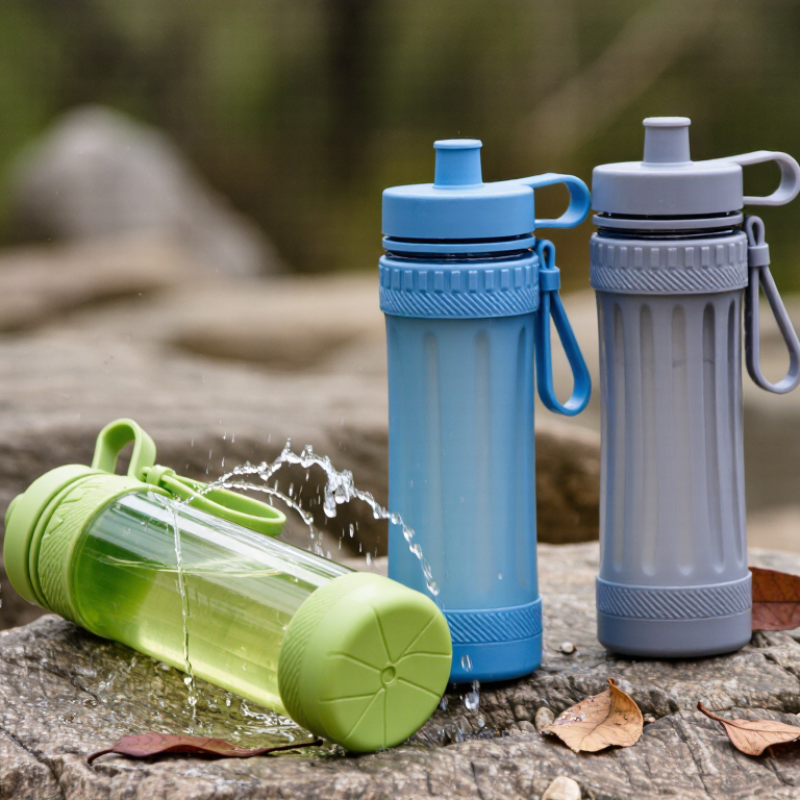
Understanding RPET and Its Environmental Benefits
Choosing the best RPET outdoor bottle starts with understanding the material. RPET means recycled polyethylene terephthalate, often recovered from used plastic containers. Cleaned, sorted, and processed, this plastic becomes resin for new bottles. The process can reduce demand for virgin petroleum-based plastic. It also gives discarded packaging another useful life. However, “recycled” does not mean impact-free. Collection, washing, transport, and manufacturing still consume energy and water. Environmental results vary by local recycling systems and factory practices. Reliable suppliers should explain recycled content percentages and provide testing documents. Look for clear information, not vague green claims.
For outdoor use, material benefits must match practical performance. I would check the bottle’s recycled content, leak-resistant lid, grip, and resistance to repeated washing. A trail bottle should feel light, but not flimsy beside a backpack. Food-contact testing and odor control matter after warm-weather use. RPET is commonly chosen for cold or room-temperature drinks, while heat limits require careful verification. It may scratch over time. That is worth admitting. A longer-lasting bottle can prevent replacement waste, even when its recycled content is modest. I would also inspect whether the bottle and lid can be separated for recycling. Local rules may accept one part but reject another. Choosing well means balancing verified environmental information with daily habits, cleaning needs, and expected service life.
Choosing the Right Capacity, Shape, and Outdoor Features
Choosing an RPET outdoor bottle starts with capacity. A 500 ml bottle suits short walks, office commutes, and light cycling. For longer hikes, 750 ml to 1 liter reduces refilling stops. However, a larger bottle adds noticeable weight when full. In field testing, I found that a 750 ml bottle often balances hydration and portability. Your climate matters too. Hot, dry trails demand more water than shaded city routes.
Shape affects comfort and stability. A slim cylindrical body fits bicycle cages and side pockets. A wider base stands better on uneven picnic tables. Look for textured areas that remain secure with wet hands. A narrow mouth can reduce spills, but it may be harder to clean thoroughly. A wide mouth helps add ice and inspect the interior. Fit matters.
Outdoor features should match real use, not just product descriptions. A leak-resistant cap protects clothing inside a backpack. A durable carry loop helps when your hands are occupied. Double-wall insulation keeps water cooler, although it usually increases weight and cost. Check the bottle after a short drop onto a safe surface. Small dents or cap damage can reveal weak construction. I once chose a lightweight bottle that felt excellent, but its cap loosened during a steep climb. That mistake changed my selection process. Also check RPET sourcing information and care instructions. Recycled material quality can vary, so clear specifications and reliable testing records deserve attention.
How to Choose the Best RPET Outdoor Bottle?
Capacity should match the length and intensity of the activity. Water weighs approximately 1 gram per millilitre, so a larger bottle provides more hydration but also increases carry weight. The total-load figures use representative empty-bottle planning weights of 35–85 grams; actual RPET bottle weight varies with wall thickness, cap design, and insulation.
Choose a compact 500 mL bottle for short walks, 750 mL for cycling or day hikes, 1,000 mL for longer hikes, and 1,500 mL when refilling opportunities are limited. A narrow cylindrical shape improves grip and side-pocket fit, while a wide-mouth opening is useful for adding ice and cleaning. For outdoor use, prioritize a leak-resistant cap, carry loop, impact-resistant construction, and easy-to-clean surfaces.
Conclusion
Choosing the best Rpet Outdoor Bottle starts with understanding how recycled polyethylene terephthalate supports a more sustainable lifestyle by giving used plastic a practical second life. However, environmental benefits should be balanced with product quality. Look for food-grade materials, reliable manufacturing, secure lids, and safety standards that support everyday use. The bottle’s capacity and shape should match your activities, whether you need a lightweight option for hiking, commuting, or short outdoor trips. Features such as a comfortable grip, leak-resistant design, wide opening, and attachment loop can improve convenience.
It is also important to compare insulation performance, durability, weight, and ease of cleaning. A well-designed bottle should resist everyday impact while remaining simple to wash and maintain. Finally, consider the product’s sustainability claims, overall price, warranty or support policies, and the manufacturer’s reliability. The ideal choice offers a practical balance of safety, comfort, long-term value, and reduced environmental impact.